Let’s cut straight to the chase – life is tough.
Being an adult is tough, being responsible is tough.
Life can take many shapes and sizes – kids or no kids, studying or retired, mega-rich or scraping by. Regardless of its form, I am 99% sure when you were a kid, the grown-ups never told you how many plates you’d be spinning or how many balls you’d be juggling at once.
And that’s before we even get near the wellness habits we all wish we could keep up with.
Sure, there were the well-meant comments:
“Do you need to get a Saturday job? You’ve got your whole life to work.”
Or the less well-meant:
“You kids have no idea how easy you have it. You don’t even know you’re born.”
They had the flavour of wisdom — a nod toward wellbeing — but didn’t quite embrace it.
While there were hints that adulthood would be different from childhood, very little prepared us for what that actually meant. “Wellness” took a back seat to “just getting things done.”

Best Intentions
Before I moved out of my parents’ house, I’d been taught many ‘essential’ life skills. What I wasn’t taught was how to tie it all together with basic self-care we now know is so important.
And that’s despite having a mum who is very in tune with mental wellbeing. I can only imagine how hard it is for those who didn’t have that support.
A few years ago, it struck me: I’d been equipped with all the hard skills you can learn from books or practice, but very few of the soft ones — like how to prioritise wellness habits that actually stick.
At university, I crammed my studies between part-time jobs, lectures, tutorials, and nights at the pub. Days of “crackers and cheese is a balanced meal” or “I can sleep when I’m dead” blurred into six years of study. I took these same approaches into my early working life and, at some point, forgot to change them as I grew into that.
The lessons learned, and the examples set, weren’t exactly foundations for a life of wellness.
Regardless of how life shapes up, the pressures we face are numerous and often ingrained. Generations before us did the same — soldiering on, rarely stopping to ask if what once worked still works now.
But if we want to live in a way that’s healthy, holistic, and grounded, we need to regularly check in with ourselves, reassess our current needs, and, often, go right back to basics.
From Small Beginnings
Here at From Small Beginnings, that’s exactly what I aim to do — to take us all (myself included) back to the foundations of self-care and rebuild from there.
Because from small beginnings, great oaks truly do grow.
The first step in that process, I found, was getting a handle on my habits.
Understanding how they work — or, more often, how they don’t — is a huge part of building wellness routines that actually stick.
Make Wellness Personal

Photo by Johnny zhang on Unsplash
When I talk about “wellness habits that stick,” let’s be clear — I don’t mean the five-star, gold-class kind that jump straight out of wellness books all shiny and promising “health beyond your wildest dreams.”
I’ve lost track of how many times I’ve thought “that’s a great idea” only to realise I don’t own a magic watch that stops time to fit it all in — nor do I have unlimited funds to make it happen.
Wellness habits only really stick if you bring them into your life with intention. Each one should be tailored specifically to you.
Love – Hate
As a case in point, I have a love–hate relationship with the gym – I love the results, I hate the process.
Over the years, I’ve had memberships with all sorts of gyms: some sleek and spa-like, complete with saunas and towel service; others no-frills, open 24 hours, where you could turn up in the middle of the night if you fancied.
My gym habits worked… for a little while. But they never stuck. Once the initial enthusiasm wore off, so did my attendance.
I convinced myself I was “getting healthier” simply by having the membership — even when I barely went. In truth, I was just subsidising other people’s workouts. Then came the inevitable injuries from sporadic visits, followed by frustration when I wondered why nothing was changing.
What Actually Worked
The truth is, the gym is brilliant for some people. If it works for you — go for it.
But don’t force yourself to go just because it’s the thing to do, or because all your friends go and you feel you should too (especially if you secretly hate it).
Maybe a morning run suits you better. Or a walking workout. Or body-weight strength sessions in your garage with music blasting.
For habits — especially the hard ones — to really take hold, they have to feel good.
You should actually look forward to them.
So start by choosing the ones that work for you, not anyone else.
Start Small, Start Real

Photo by Pao Dayag on Unsplash
Once you’ve decided which habits you want to bring into your life, be gentle with how you introduce them.
My poor, long-suffering best mate has tried countless times to get me to sign up for some sort of fitness challenge — an endurance race through muddy pits, a half-marathon in the rolling hills of rural Scotland, even a gentle 10k for charity with her work.
The list goes on… and despite my best intentions, I’ve yet to take part in any of them.
(More on this in another post — I promise I’m not as terrible as that sounds. I’ve played support crew, making sure my bestie had what she needed to have as smooth a time as possible, just without my actual participation.)
Unrealistic Goals
When it comes to my own habits, I tend to go big — too big. I’ll set an outlandish goal like, “I can prepare for a 10k in six weeks,” conveniently ignoring the fact that I haven’t run properly in about a decade.
My last attempt resulted in runner’s knee in both knees and me barely managing the stairs for two weeks. Not exactly a great start.
Still, my brain — like so many of ours — loves to convince me that this time will be different. That I’ll magically wake up one morning ready to train every day before work and make it all stick.
What Actually Worked
The truth? If I really want a habit to stick, I need to ease it into my life slowly and sustainably.
Because as I’ve said before, life is tough – and new habits are tougher.
There’s nothing worse for morale than turning an unrealistic habit into a “failure” before it ever had a chance to become a success.
A great book on exactly this is ‘Atomic Habits‘ by James Clear. In the book, James breaks down how to build habits in small, manageable steps and shows how daily improvements (no matter how small) compound into big results.
Intentional Layering
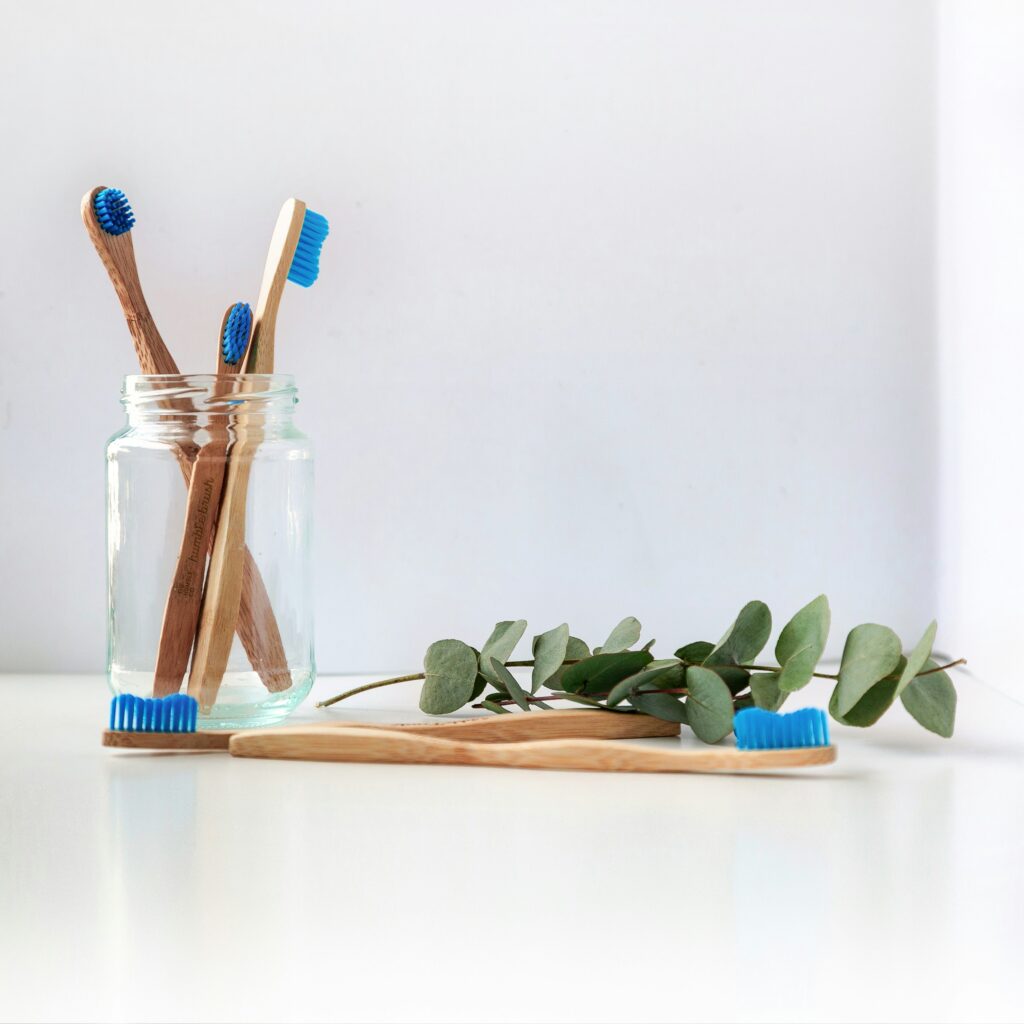
Photo by The Humble Co. on Unsplash
Another key part of making wellness habits that stick is the when — the timing of your habits.
Sure, I’d love to start every day by meditating for half an hour, reading for an hour, and then gliding through a full “wellness shower” complete with guasha, body brushing, exfoliation, and moisturising — all before walking out the door perfectly coiffed and glowing.
These are all great habits, and they absolutely make me feel better.
But in reality, trying to fit that many “good” wellness habits into a weekday morning would slowly drive me insane.
Don’t get me wrong — when I have a free Saturday, I indulge in an everything shower. I take my time doing my hair, watching the water bead down the screen while my conditioner soaks in — focusing on one thing at a time instead of my usual multitasking frenzy. I shave, exfoliate, step out, and spend five whole minutes just letting my body cool down after the steam.
Comfortably Failing
By looking at my week, I’ve realised I can fit many of those habits in — just not every day, and not to the extent that I’d leave the house every morning perfectly put together.
The secret for me, I’ve discovered, is habit layering — and not just any layering, but intentional layering. Small, incremental changes each day, week, month, and year that gradually build wellness into life, rather than trying to overhaul it all at once.
On a day-to-day basis, for example, I wanted to improve my teeth-brushing routine after listening to the audiobook The Age-Proof Brain: New Strategies to Improve Memory, Protect Immunity, and Fight Off Dementia by Marc Milstein.
(Side note: in one section, Milstein talks about how often we overlook our oral hygiene — and how it can have a surprisingly profound impact on brain health and ageing. It stuck with me.)
A solid oral hygiene routine, according to both Milstein and my dentist, includes tongue scraping, flossing, mouthwash, and brushing — in that order. No rinsing after brushing, and twice a day if possible.
Try as I might, I couldn’t consistently fit all of that in. Ridiculous, really — how long does it take? But mornings would slip away, I’d oversleep, rush out the door, and my wellness habits were always the first casualty.
What Actually Worked
Then one morning, while listening to The Age-Proof Brain in the shower, it hit me: I didn’t need more time. I needed a better when.
Those first few minutes in the shower — waiting for the water to warm up or soaking my hair — were the perfect opportunity to add in part of that habit.
So I started doing my tongue scraping and flossing while the water ran.
Simple. Sustainable. No magic watch required.
Optimise for Success
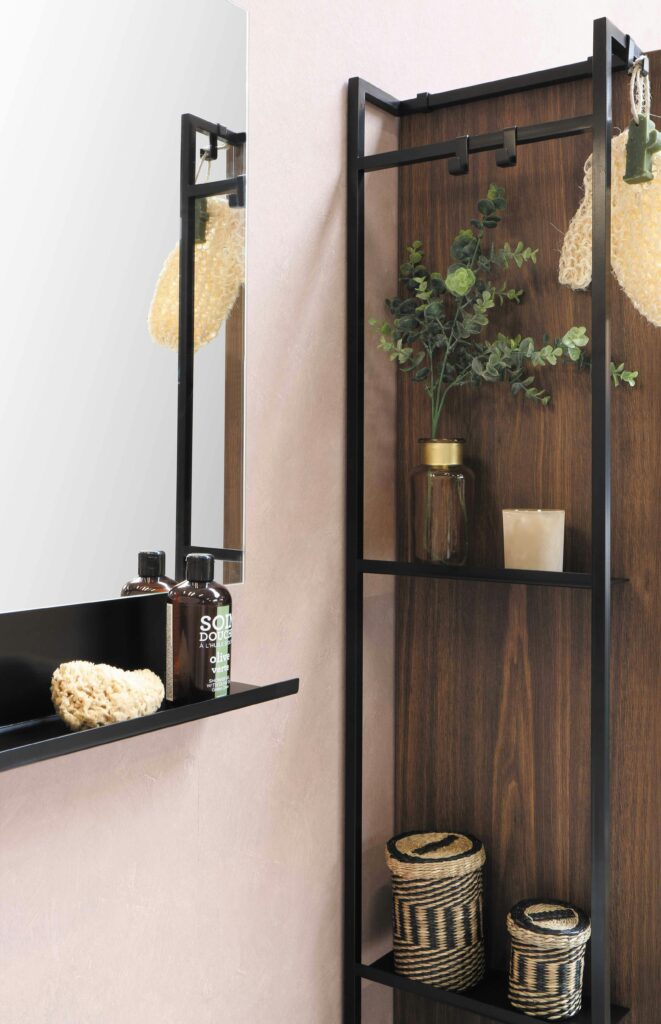
Photo by Sanibell BV on Unsplash
Following on from the above (and honestly, I never thought I’d write in such detail about my tooth-brushing routine!)…
To make my new oral hygiene routine even easier, I put together a “shower basket” — a simple waterproof plastic basket that lives in the bathroom cupboard when not in use. When I jump in the shower, I just grab it and go.
Inside are all my daily tooth-y essentials: a stainless steel tongue scraper, floss, mouthwash, toothpaste, and toothbrush. While tossing down the towel and getting ready, I can easily reach for it — and as I finish each step, everything goes straight back in the basket.
Hey presto — a habit-layering success story for a habit that never wanted to stick.
The reality is, when it comes to making wellness habits stick, they need to enhance your wellbeing — not become a source of stress in themselves. A little planning goes a long way.
If a morning walk before work is your go-to instead of the gym, lay out your walking gear the night before. Trust me — morning you will thank night-before you.
If you want to stop doomscrolling or checking WhatsApp, texts, or emails first thing, leave your phone outside the bedroom and invest in a small alarm clock. Part of your evening routine can be “putting your phone to bed.”
And honestly? You’ll be surprised how little you actually miss — the world will still be there when you wake up.
If you’d like to read more, place a book beside that new alarm clock. When it goes off, start your day by reading just one page. Most non-fiction books are around 200–300 pages, fiction around 300–400. One page a day means you’ll finish a book in a year — which is still a 100% improvement if you’ve not been reading at all.
And once you build the habit, it’ll likely grow on its own — you’ll want to keep reading past that single page.
Counter Decision Fatigue
Photo by No Revisions on Unsplash
This tip really brings together everything we’ve talked about so far — but from a slightly different angle: recognising that sometimes, decision fatigue will happen.
Decision fatigue is that mental exhaustion that sets in after a day full of choices. It’s what makes even simple decisions feel hard — like what to have for dinner, or whether you’ll actually go for that evening walk you promised yourself.
It’s the part of your thought process that gets tripped up with healthy eating after a long workday. When the brain is tired and the solution isn’t right there in front of you, it defaults to the path of least resistance.
That’s why setting yourself up in advance — with the right environment, pre-made choices, or tiny prepared steps — is so powerful. You remove one more decision from an already busy brain, and suddenly the “right” choice feels easier, almost automatic.
Be Flexible, Not Perfect

Photo by Rodion Kutsaiev on Unsplash
On that note, the final thing I’ll say about this — for now — is that we all need to be flexible with our wellness habits, not perfect.
What suits you on Monday might not work on Tuesday. What felt right at the start of the year might not fit by the end of it. And what worked for you as a teenager might not serve you the same way as you get older.
Be flexible with your wellness habits. Evaluate them. Decide whether they’re working for you — and if they’re not, there’s no harm in trying something new.
Give each habit a fair chance to bed in. Don’t jump from one new thing to another, claiming it “didn’t stick” when you only tried it for a week on holiday and then couldn’t keep it up once you got home!
And just as importantly, recognise that you don’t need to be perfect. If you don’t follow your new habit exactly as planned — because you forget, something comes up, or life simply gets in the way — please don’t be hard on yourself.
The key is to take the positives from these habits. When we berate ourselves or get frustrated, we start associating those habits with failure or pressure instead of growth and joy.
So focus on the good things. Trust that, with kindness and consistency, your small beginnings will flourish in all the right ways.
Remember, no oak grows overnight — but every one begins with a small seed.
I hope you found this post helpful — and I’d love it if you shared it with a friend or someone who might enjoy it too.
Please feel free to comment below — I’d love to hear your own success (and not-so-success) stories about building habits that stick.
0 Comments